


The Importance of Seagull Control and Netting Systems for Preventing Activity
- Compliance Pest
- Dec 9, 2025
- 3 min read
Seagulls are a common sight in many coastal and urban areas, but their presence often causes more problems than enjoyment. These birds can disrupt daily life, damage property, and create health hazards. Managing seagull activity is essential for maintaining clean, safe, and pleasant environments. One of the most effective ways to control seagull populations and prevent their disruptive behaviour is through the use of netting systems. This post explores why seagull control matters and how netting systems provide a practical solution.

Why Seagull Control Is Necessary
Seagulls are opportunistic feeders and highly adaptable birds. While they play a role in the ecosystem, their increasing presence in urban areas leads to several issues:
Property Damage: Seagulls often nest on rooftops, ledges, and vents. Their droppings are acidic and can corrode building materials, paint, and metal surfaces. Nests from gulls can also block drainage and risk flooding to your property.
Health Risks: Seagull droppings carry bacteria and parasites that can pose health risks to humans. Their nests can also harbour mites and other pests.
Noise Pollution: Loud calls and squawking disrupt the peace in residential and commercial areas.
Safety Concerns: Seagulls can become aggressive, especially during breeding season, posing risks to people and pets.
Waste Scattering: These birds scavenge through trash bins and litter, spreading garbage and attracting other pests.
Ignoring these problems can lead to costly repairs, health issues, and a decline in the quality of life for residents and workers.
How Netting Systems Help Prevent Seagull Activity
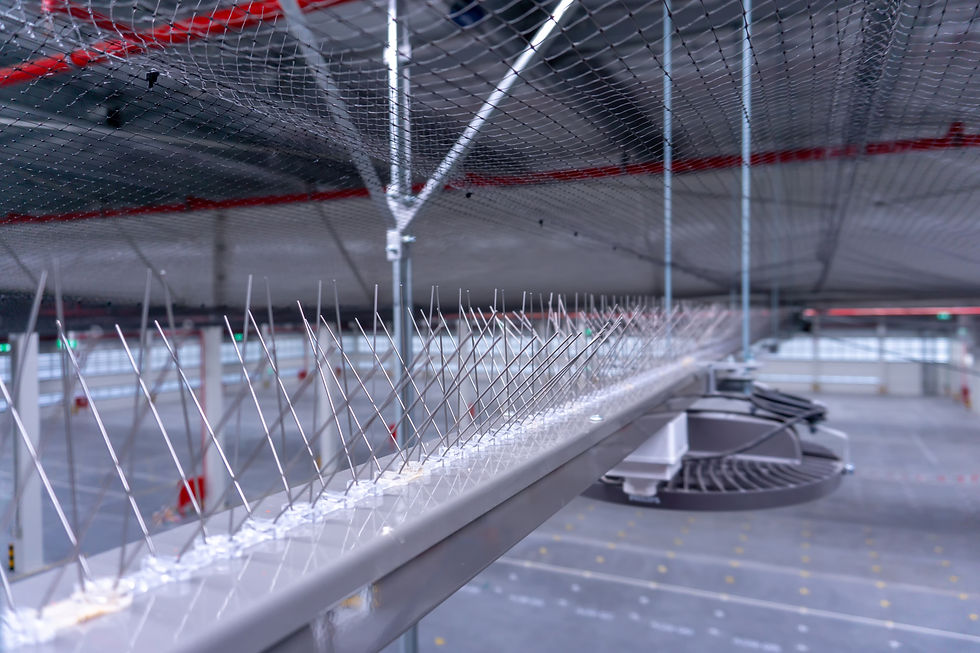
Our Compliance Pest Control Netting systems act as a physical barrier that stops seagulls from landing, nesting, or roosting on buildings and other structures. Here’s how they work and why they are effective:
Durability and Strength: Made from materials like polyethylene or nylon, netting withstands harsh weather and resists damage from birds.
Custom Fit: Netting can be tailored to fit various surfaces such as rooftops, balconies, vents, and signage, ensuring complete coverage.
Non-lethal and Humane: Unlike spikes or traps, netting does not harm birds. It simply prevents access, encouraging them to move elsewhere.
Long-Term Solution: Once installed, netting requires minimal maintenance and provides ongoing protection.
Cost-Effective: Compared to repeated cleaning, repairs, or other control methods, netting offers a budget-friendly option over time.
Practical Examples of Netting Use
Many businesses and homeowners have successfully reduced seagull problems by installing netting systems. Some common applications include:
Restaurants and Cafes: Outdoor seating areas benefit from netting to keep seagulls away from food and customers.
Warehouses and Factories: Netting prevents birds from nesting in vents and rooftops, reducing contamination risks.
Residential Buildings: Apartment balconies and roof terraces stay cleaner and safer with protective netting.
Public Spaces: Parks, piers, and promenades use netting to protect structures and maintain cleanliness.
In one case study, a coastal hotel installed netting on its rooftop and balconies. Within weeks, seagull activity dropped by 90%, leading to fewer complaints and lower cleaning costs.

Additional Tips for Effective Seagull Control
While netting is highly effective, combining it with other strategies can improve results:
Regular Cleaning: Remove food scraps and secure trash bins to reduce attractants.
Visual Deterrents: Use reflective objects or decoys to discourage birds from approaching.
Bio- Acoustic Sound Devices: Ultrasonic or distress call devices can help keep seagulls away temporarily.
Professional Assessment: Consult with Compliance Pest control experts to design the best netting layout and complementary measures.
Final Thoughts on Seagull Control and Netting Systems
Seagulls can cause significant disruption and damage if left unchecked. Installing netting systems offers a practical, humane, and long-lasting way to prevent their activity on buildings and public spaces. By investing in proper seagull control, property owners protect their assets, reduce health risks, and improve the overall environment.


Comments