


The Importance of Pest Proofing Your Building for Effective Pest Prevention
- Compliance Pest
- Apr 21
- 3 min read
Pests can cause serious damage to buildings, compromise health and safety, and lead to costly fines if regulations are not met. Pest proofing your building is a crucial step in maintaining a safe, clean, and compliant environment. Compliance pest control services play a vital role in helping property owners and managers prevent infestations and meet legal requirements. This post explores why pest proofing matters, how it supports compliance, and practical steps to protect your building effectively.

Rat burrowing under building foundations
Why Pest Proofing Matters
Pests such as rodents, insects, and birds can enter buildings through small cracks, gaps, and openings. Once inside, they can:
Damage structural elements like wood, insulation, and wiring
Contaminate food and surfaces with droppings and bacteria
Trigger allergic reactions and spread diseases
Create unpleasant odours and noise disturbances
Ignoring pest proofing increases the risk of infestations that can escalate quickly. For businesses, this can mean health code violations, loss of reputation, and expensive remediation costs. For residential buildings, it threatens occupant comfort and safety.
Pest proofing acts as the first line of defence by blocking entry points and reducing the chances pests can establish themselves. It is a proactive approach that saves time and money compared to reactive pest control treatments.
How Pest Proofing Supports Compliance
Many industries face strict pest control regulations. Food service, healthcare, hospitality, and property management sectors must comply with local and national standards to avoid penalties. Effective pest proofing helps meet these requirements by:
Demonstrating a commitment to maintaining hygienic conditions
Reducing the likelihood of pest sightings and complaints
Supporting documentation for inspections and audits
Minimising the need for pesticide treatments that may have restrictions
Compliance pest control companies specialise in assessing buildings for vulnerabilities and recommending pest proofing solutions tailored to regulatory standards. Their expertise ensures that pest prevention measures align with legal obligations and industry best practices.
Common Pest Proofing Techniques
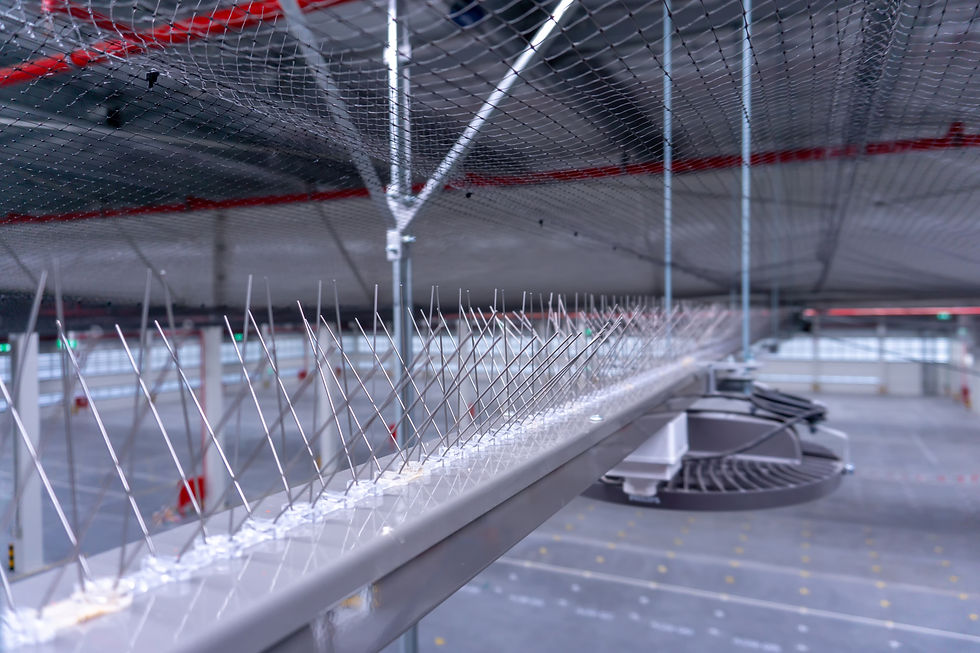
Pest proofing involves a combination of physical barriers, maintenance, and environmental controls. Key techniques include:
Sealing cracks and gaps: Use caulk, weatherstripping, and metal mesh to close openings around doors, windows, pipes, and vents.
Installing door sweeps and screens: Prevent pests from entering through door bottoms and ventilation points.
Maintaining landscaping: Trim vegetation away from the building to reduce pest harbourage near walls.
Proper waste management: Use sealed containers and regular disposal to avoid attracting pests. Ensure plugs are present on external waste bins.
Repairing structural damage: Fix holes, broken screens, and damaged siding promptly.
Controlling moisture: Address leaks and improve drainage to eliminate water sources that attract pests.

Each building requires a tailored approach based on its design, location, and pest risks. A professional pest control service can conduct a thorough inspection and develop a customized pest proofing plan.
Benefits of Partnering with Compliance Pest Control Services
Working with a compliance pest control provider offers several advantages:
Expert assessment: Professionals identify hidden vulnerabilities that may be overlooked.
Regulation knowledge: They stay updated on local laws and industry standards.
Effective solutions: Use of approved materials and methods that meet compliance criteria.
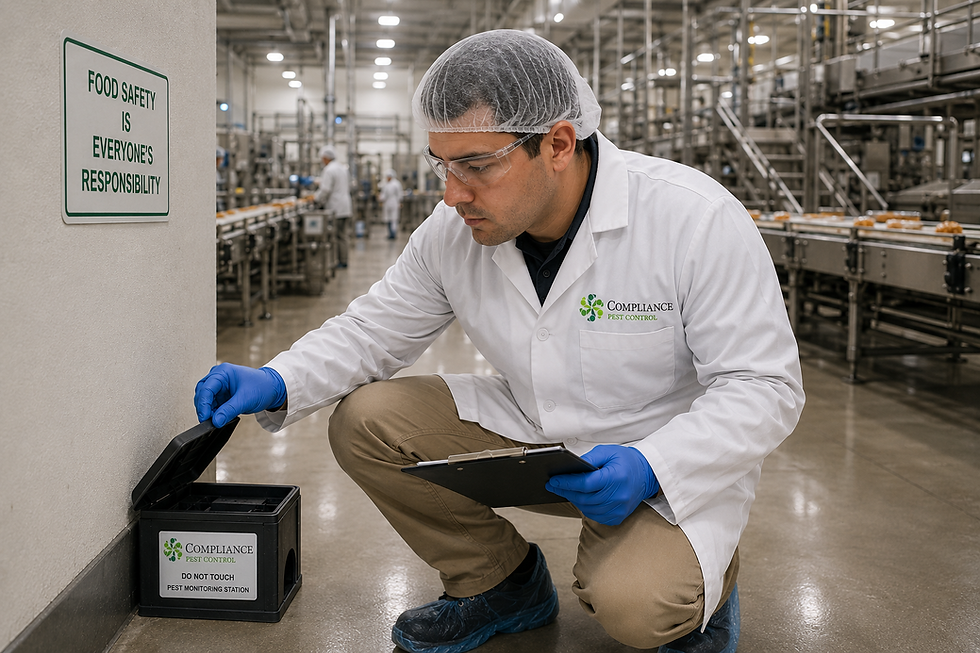
Ongoing monitoring: Regular inspections to catch issues early and maintain pest-free status.
Documentation support: Detailed reports and records for audits and inspections.
This partnership reduces the burden on building owners and managers while ensuring pest control efforts are thorough and compliant.
Real-World Examples of Pest Proofing Success
A food processing plant avoided costly shutdowns by sealing all wall penetrations and installing stainless steel door brush seals. This prevented rodent entry and passed multiple health inspections without pest-related violations.
An apartment complex reduced tenant complaints by trimming back shrubbery and sealing gaps around utility lines. Compliance Pest Control provided monthly inspections, keeping the building pest-free year-round.
These examples show how targeted pest proofing can protect buildings, occupants, and reputations.
Steps to Start Pest Proofing Your Building Today
Conduct a thorough inspection: Look for cracks, holes, and other entry points.
Hire a pest control professional: Get expert advice on effective pest proofing methods.
Implement physical barriers: Seal openings, install screens, and repair damage.
Maintain the building and surroundings: Keep vegetation trimmed and manage waste properly.
Schedule regular inspections: Monitor for new vulnerabilities or pest activity.
Document all actions: Keep records to demonstrate compliance during audits.
Taking these steps creates a strong defence against pests and supports ongoing compliance efforts.

Comments